La Marche des Fiertés LGBT+ de Paris/Île-de-France ne sort pas de nulle part : elle est l’héritière directe de révoltes, de combats et de solidarités forgées dans l’urgence et la colère.
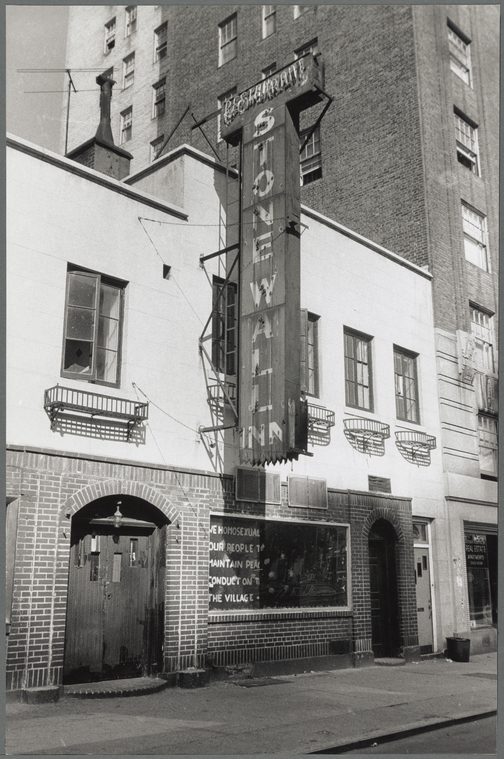
Tout commence le 28 juin 1969, au Stonewall Inn, un bar queer de New York. Ce soir-là, une énième descente de police dégénère : lesbiennes, gays, trans, drag queens, racisé·es, travailleur·euses du sexe, toutes celles et ceux que la société voulait invisibiliser, refusent de se laisser faire. Elles et ils résistent, pendant plusieurs jours.
Cette révolte spontanée marque un tournant historique. Elle enclenche un mouvement mondial de défense des droits LGBT+.
Un an plus tard, des Marches de commémoration et de revendication sont organisées aux États-Unis. Le principe se répand : marcher pour ne plus jamais se taire.
En France, la première marche indépendante a lieu le 25 juin 1977 à Paris, organisée par le Mouvement de libération des femmes (MLF) et le Groupe de libération homosexuelle (GLH). Elle réunit quelques centaines de personnes entre République et la place des Fêtes. Si elle reste marginale, elle marque une étape historique : c’est la première fois que des LGBT+ défilent dans la rue pour revendiquer leur fierté et dénoncer les discriminations.
Les années 1980 sont marquées par un double mouvement :
- Une visibilité grandissante des luttes LGBT+, portée par des collectifs comme le CUARH, les Gais pour les libertés, les Gouines rouges, ou Act Up.
- Et une crise sanitaire sans précédent : le VIH/sida, ignoré ou instrumentalisé par les pouvoirs publics, décime la communauté. La rue devient un espace de deuil, de mémoire, mais aussi de résistance radicale.
Mais c’est surtout en 1981 que le mouvement prend un nouveau tournant. Le 4 avril, à l’appel de plusieurs collectifs, 10 000 personnes défilent à Paris pour demander l’abrogation du "délit d’homosexualité", encore en vigueur à l’époque. Cette marche se déroule quelques semaines avant l’arrivée de la gauche au pouvoir. L’élection de François Mitterrand en mai entraîne effectivement, quelques mois plus tard, l’abrogation du fichage des homosexuel·les par la police et l’alignement de la majorité sexuelle pour les rapports entre personnes de même sexe .
Ces mobilisations des années 1970 et 1980, portées par des groupes comme le CUARH, les Gouines Rouges, le GLH, ou encore plus tard Act Up-Paris, participent à l’ancrage des Marches comme un outil central de visibilité et de revendication. Les cortèges s’élargissent, se politisent, et deviennent des lieux de mémoire – en particulier pendant la crise du sida – mais aussi des espaces de résistance collective.
C’est en 1999 que l’Inter-LGBT prend en charge l’organisation de la Marche parisienne, avec la volonté de la structurer, de renforcer ses revendications politiques et de faire le lien entre les luttes associatives et les réalités vécues par les personnes LGBT+.